
Visit Just for Kids. Expert physiotherapy, made just for them.
Get Me ThereHow physiotherapy helps endometriosis pain
•
By Caitlin Dunsford
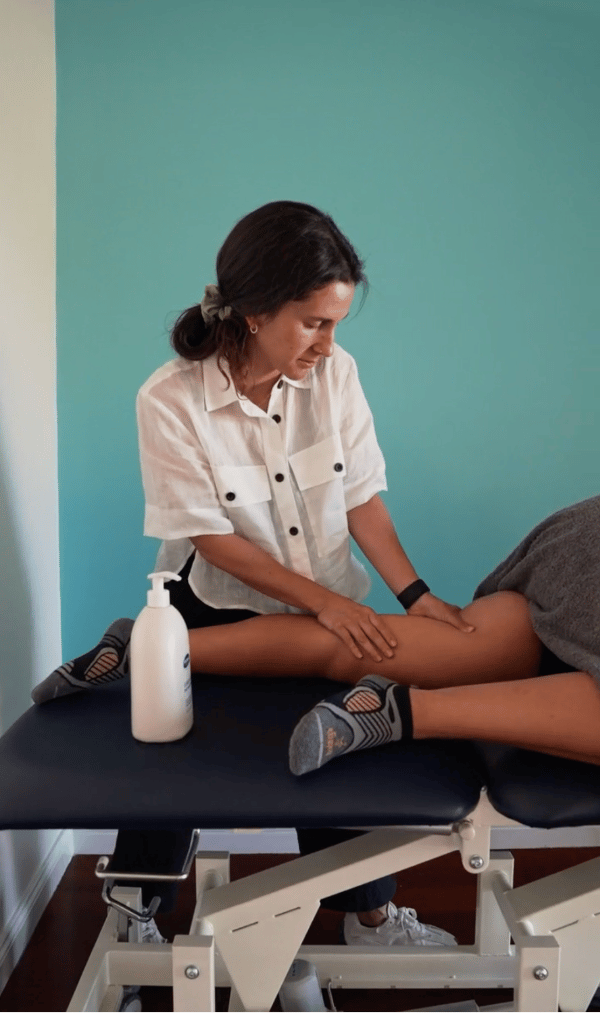
Discover evidence-based physiotherapy strategies for endometriosis, including pelvic floor therapy, pain management and nervous system support.
Evidence-based strategies to reduce pain and restore function
Endometriosis is more than just “bad period pain.”
It’s a complex condition that can affect not only the uterus, but also your muscles, nerves, joints, bladder, bowel, and nervous system. Over time, persistent pain can change how your body moves, holds tension, and processes pain signals.
At The Hills Physio, we regularly support women with endometriosis using evidence-based pelvic health physiotherapy to reduce pain, improve function, and help them return to the activities they love.
Physiotherapy isn’t a cure for endometriosis but it plays an important role in managing its secondary effects and symptoms.
Why consider physiotherapy for endometriosis?
Endometriosis may contribute to:
- pelvic floor muscle overactivity
- abdominal wall tension
- hip and lower back stiffness
- scar tissue restriction (especially post-surgery)
- bladder and bowel dysfunction
- heightened nervous system sensitivity and pelvic pain
When pain persists over months or years, the body can become protective. Muscles tighten. Movement changes. The nervous system becomes more sensitive.
This is where physiotherapy can help.
Pelvic health physiotherapists are trained to assess and treat the musculoskeletal and nervous system components of pelvic pain, providing practical tools to reduce symptoms and improve quality of life.
How physiotherapy can help
1. Pelvic floor muscle training and relaxation
Many people assume pelvic floor therapy means strengthening. However, with endometriosis, the pelvic floor is often overactive.
Physiotherapy may include:
- teaching you how to recognise and release pelvic floor tension
- gentle coordination exercises to improve control and comfort
- tailored strengthening (when appropriate) to support long-term pelvic health
Learning how to relax the pelvic floor can significantly reduce pain with sitting, exercise, and intimacy.
2. Manual therapy and hands-on techniques
Hands-on treatment can address muscle tension, joint stiffness, and scar tissue restriction.
This may include:
- pelvic floor release techniques to reduce overactivity and tenderness
- abdominal and scar tissue mobilisation following laparoscopic surgery
- joint mobilisation of the hips, pelvis, and lower back
- myofascial release and soft tissue therapy
Evidence shows that manual therapy combined with education and exercise can reduce pelvic pain and improve muscle function in chronic pelvic pain conditions.
The goal is to restore natural movement and reduce the “pulling”, crampy or deep ache many people describe.
3. Pain modulation and nervous system support
Chronic pelvic pain isn’t just about tissues it also involves the nervous system.
When pain has been present for a long time, the nervous system can become more sensitive. Physiotherapy includes strategies to calm and retrain these pain pathways.
Support may include:
- TENS (Transcutaneous Electrical Nerve Stimulation): helpful for reducing period pain and flare-ups
- vagus nerve stimulation strategies, such as breathing exercises, humming, and gentle manual techniques
- relaxation, mindfulness, and body awareness techniques
- graded exposure to movement to rebuild confidence
4. Bladder and bowel support
Endometriosis commonly affects bladder and bowel function.
You may experience:
- urgency or frequency
- pain with bladder filling
- constipation
- pain with bowel movements
- incomplete emptying
Physiotherapy can provide:
- education on healthy bladder and bowel habits
- positioning strategies for easier bowel movements
- pelvic floor coordination techniques
- tools to manage urgency and discomfort
Improving bowel health alone can significantly reduce pelvic pain.
5. Sexual function and intimacy
Pain with penetration and post-coital discomfort are common but often under-discussed.
Pelvic health physiotherapy can help with:
- reducing pelvic floor muscle guarding
- desensitisation techniques
- dilator therapy (when appropriate)
- education for you and your partner
- strategies to reduce fear and protective tension
6. Exercise and lifestyle guidance
Movement is important in managing endometriosis but it needs to feel safe.
Your physiotherapist may provide:
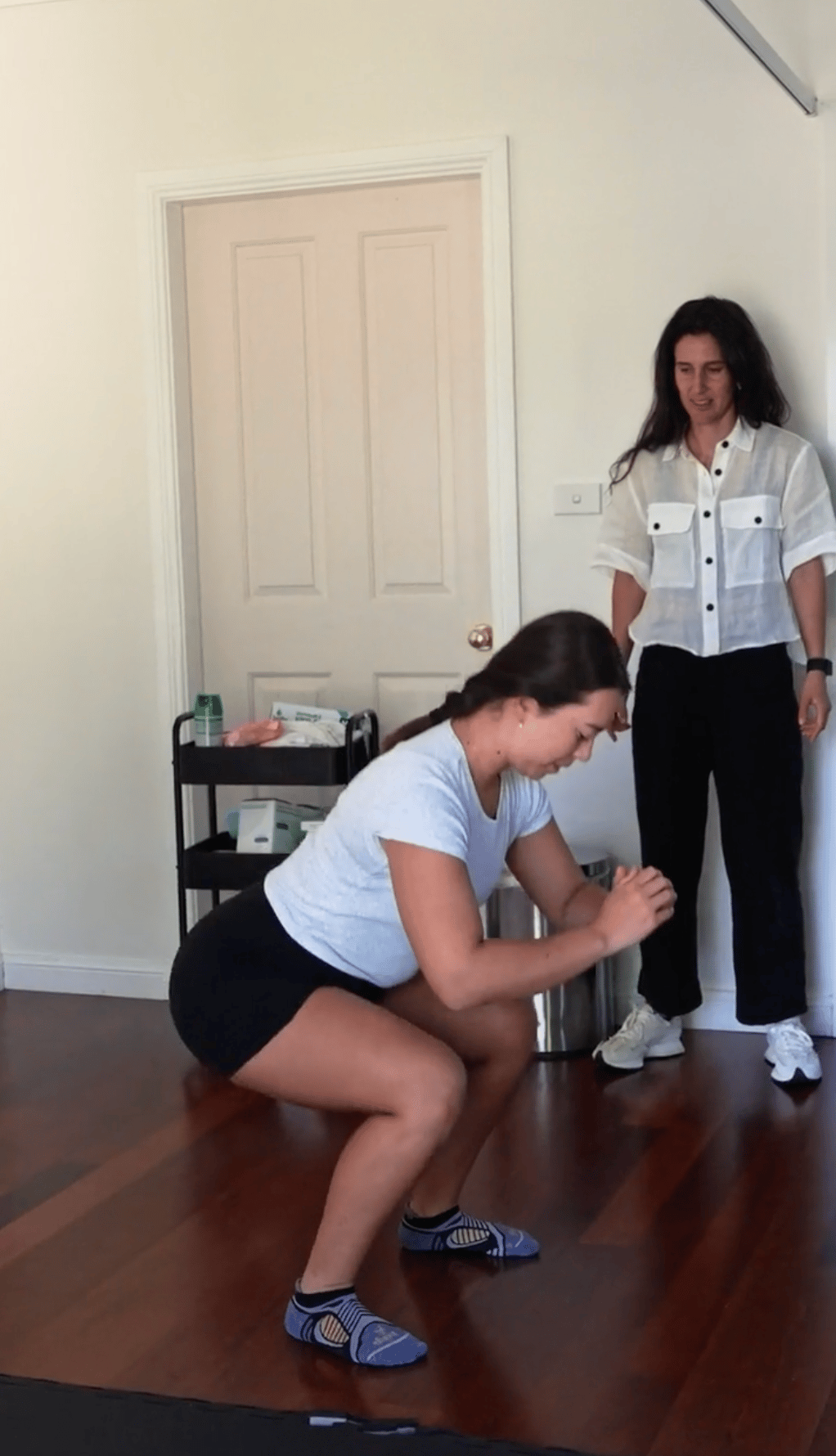
- Tailored exercise programs (Pilates, mobility, strength training)
- Core and hip stability work
- Pacing strategies to prevent flare-ups
- Return-to-exercise guidance after surgery
- Education around load management
Your physiotherapy “toolbelt” may Include
Depending on your needs, treatment may involve:
- pelvic floor awareness and relaxation training
- manual therapy (pelvic release, scar mobilisation, joint mobilisation)
- TENS for pain control
- nervous system regulation strategies
- bladder and bowel retraining
- Tailored exercise programs
- Education and ongoing support
Your plan is always individualised. No two experiences of endometriosis are the same.
The bigger picture
Physiotherapy does not remove endometrial tissue.
What it does treat are the secondary changes that develop around persistent pain:
- muscle tension
- joint stiffness
- scar restriction
- bladder and bowel dysfunction
- nervous system sensitivity
Over time, addressing these factors can:
- reduce pain intensity
- shorten flare duration
- improve movement confidence
- support intimacy
- help you feel more in control of your body
For many women, this makes a meaningful difference.
FAQs about physiotherapy and endometriosis
Can physiotherapy cure endometriosis?
No. Physiotherapy manages the musculoskeletal and nervous system effects of endometriosis but does not remove endometrial tissue.
When should I see a physio before or after surgery?
Both can be helpful. Pre-surgical physio can optimise muscle function and pain control, while post-surgical treatment addresses scar tissue and recovery.
Is internal pelvic floor assessment always required?
Not always. Your physiotherapist will discuss options with you and ensure consent and comfort at every stage.
Can physio help with pain during sex?
Yes. Pelvic floor relaxation and desensitisation strategies can significantly reduce pain with penetration.
Will exercise make my pain worse?
The right exercise program should feel supportive, not aggravating. Gradual progression is key. Exercise is an evidence based tool that is effective in managing endometriosis pain.
Who Treats Endometriosis at The Hills Physio?
Our Women’s Health and Pelvic Health Physiotherapists are experienced in supporting individuals with endometriosis and chronic pelvic pain.
We provide personalised, evidence-based care in a supportive, respectful environment.
👉 Learn more about Women’s Health Physiotherapy at The Hills Physio or book an appointment with our Pelvic Health team.

Expert physiotherapy, made just for them.
Our second location specialises in playful, effective treatment for toddlers, children, and teens. Where growing bodies get the care they need.