
Visit Just for Kids. Expert physiotherapy, made just for them.
Get Me ThereIs my child training too much? A guide to managing sports load
•
By Caitlin Dunsford
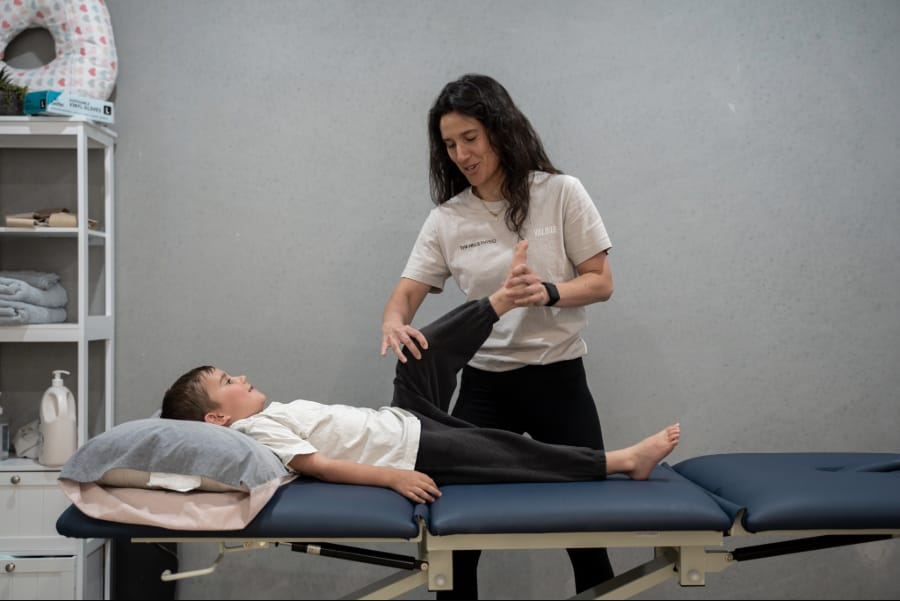
Far too often parents bring their active children to physio with aches and pains of seemingly no origin. So, what could be causing this? Between school sport, club training, rep teams and private coaching, across sometimes multiple sports, children are busier than ever.While sport is fantastic for physical and mental health, growing bodies need the right balance of load and recovery. Understanding safe training limits helps protect your child from overuse injuries, burnout and long-term frustration, while still allowing them to thrive.
Far too often parents bring their active children to physio with aches and pains of seemingly no origin.
So, what could be causing this?
Between school sport, club training, rep teams and private coaching, across sometimes multiple sports, children are busier than ever.
While sport is fantastic for physical and mental health, growing bodies need the right balance of load and recovery.
Understanding safe training limits helps protect your child from overuse injuries, burnout and long-term frustration, while still allowing them to thrive.
How many hours of sport is ideal for kids?
In the context of pain and injury prevention
1. The Age Rule
Organised sport hours per week should be less than or equal to your child’s age in years. For example, an 11-year-old should aim for 11 hours per week or less of structured sport (training, games, squads, private coaching and conditioning combined).
2. The 16-Hour Ceiling
Even in older teens, total organised sport should generally not exceed 16 hours per week.
3. Sudden spikes in training load
Just as important as total hours are how quickly these hours increase. Dramatic increases in load such as trial weeks, double sessions in school holidays or jumping straight back to full training after time off can significantly increase injury risk.
These numbers aren’t rigid rules. They are safety guardrails.
Why does training load matter in growing athletes?
Children are not just small adults. Their bones are still growing, with open growth plates that are softer and more vulnerable than adult bones. Coordination can change during growth spurts.
These key differences present an opportunity for load to exceed the tissues capacity which is when niggles and injuries can occur.
What does healthy training look like?
If you are looking to prevent pain/injury and get longevity for your child in their chosen sport
1. Cap volume and avoid spikes
- Keep training hours per week less than age in years
- Keep training hours per week less than 16 hours regardless of age
- Avoiding rapid increases to training hours per week
2. Split the year into seasons
- No single sport for greater than 8 months of the year
- Aim for 2-3 months of from a specific sport per year (can still be active, just opt for a different stimulus)
3. Recovery is training
- Aim for 1-2 days rest per week
- Avoid back-to-back high intensity days (e.g. hard training sessions, extra conditioning, games) when possible
Signs your child may be training too much
- Has pain that lasts into the next day
- Keeps getting the same injury
- Limping during or after sport
- Complains of night pain
- Has a sudden drop in performance
- Seems unusually fatigued, flat or unmotivated
How physiotherapy can help
At The Hills Physio, we take a personalised and holistic approach to youth athletes.
We assess more than just the painful area. We look at total weekly load, recent spikes, growth phases, strength, movement patterns and recovery habits.
Management may include:
- Adjusting training volume safely
- Strength and capacity building
- Manual therapy that targets stiff joints or tight muscles
- Technique refinement (landing, deceleration, running)
- Structured return-to-sport planning
- Simple injury-prevention programs
Our goal is to build resilient athletes who can train consistently and enjoy their sport long term.
You can learn more about our approach to sports physiotherapy at The Hills Physio or book an appointment with our team for personalised advice.
FAQs about training load in children
Does more training mean better performance?
No. Quality and consistency matter more than high volume. Excess hours increase injury risk without guaranteeing improvement.
Should my child specialise early?
Early single-sport specialisation is associated with higher overuse injury risk. Multi-sport participation is generally healthier in childhood and produces more well-rounded athletes.
If my child has pain, do they need to stop completely?
Not always. Many issues improve with temporary load reduction. However, persistent pain, limping or night pain should be assessed on a case by case basis.
Can kids train all year round?
Playing one sport year-round increases injury risk. Aim for structured breaks across the year.

Expert physiotherapy, made just for them.
Our second location specialises in playful, effective treatment for toddlers, children, and teens. Where growing bodies get the care they need.